
eLearning Course:
Microsoft Learn course on the art of Power BI report design:
https://learn.microsoft.com/training/modules/power-bi-effective-reports/

Writing sample:
Inclusive language, 1978 vs. today:
https://heyrob.net/2024/08/19/inclusive-language-1978

Instructional graphics:
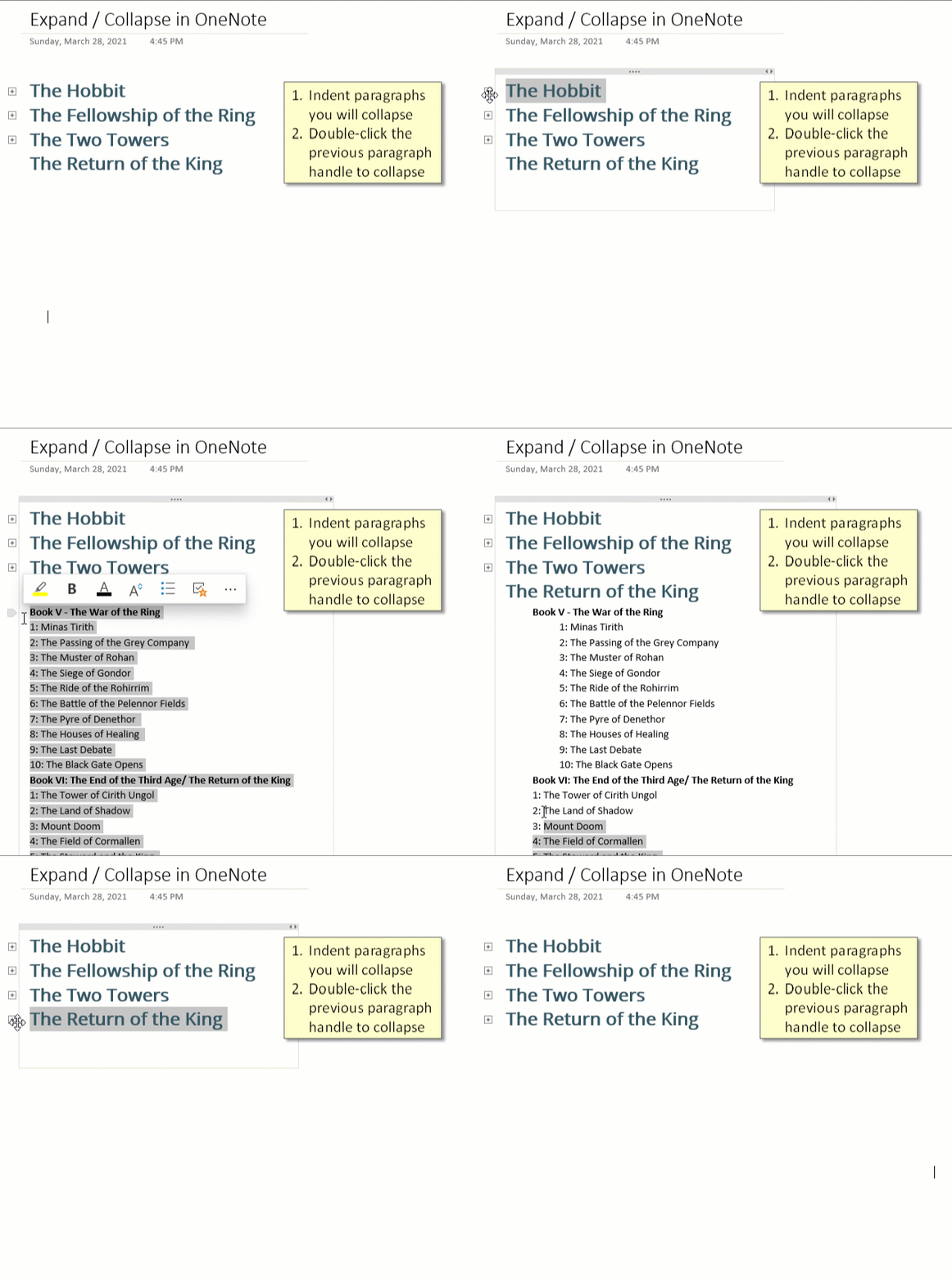
Photo Tip #51 | Expand/collapse in OneNote
Oyster Cylinder Solution
Sometimes, one problem cancels out another. As the tribal biologist for the Shoalwater Bay Indian Tribe, our oyster growing team was obliged to work under the strictest environmental restrictions. Most commercial oyster growers spray pesticides on the mud flats to help control ghost shrimp that can turn the firm oyster beds into quicksand. Half-shell oysters are grown in mesh bags on metal racks.
So here were our challenges:
- We had to continually pull the metal racks from the soft mud with electrical winches,
- We could not spray pesticides,
- We had to fight violent 15-foot tides,
- To separate individual oysters, we had to turn the bags over every two weeks (across 700 acres).
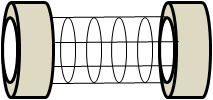
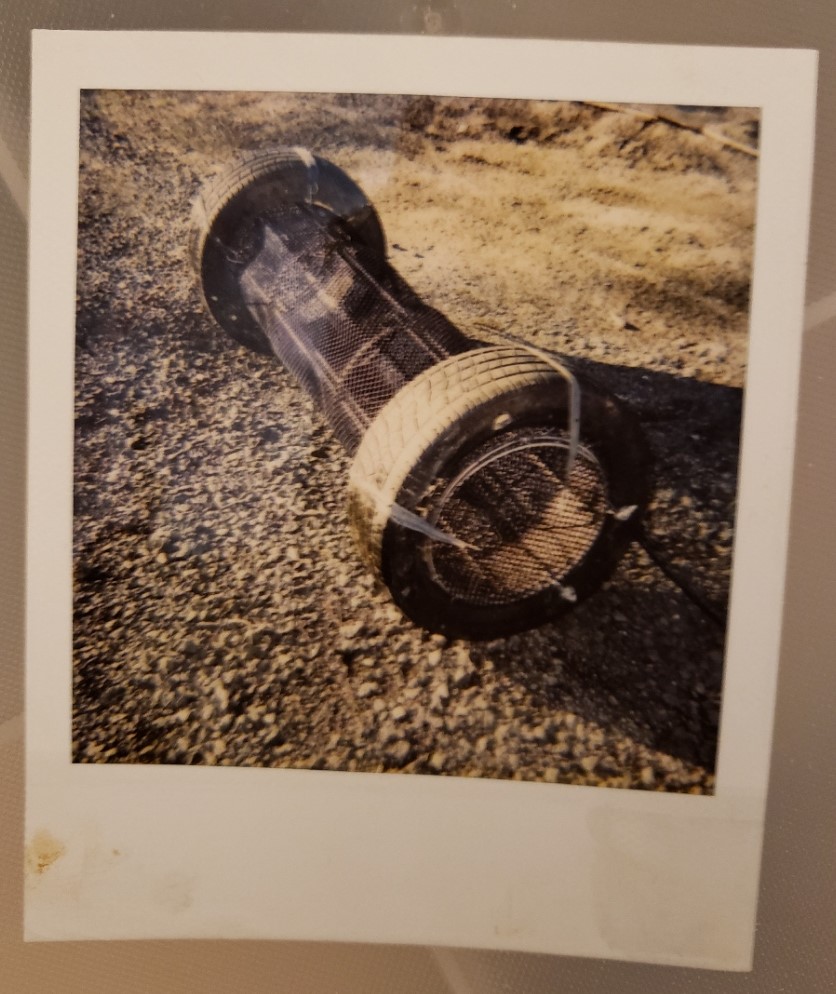
I was brainstorming with the farm manager, a tribal elder, a welder, and a fisherman when we realized that the forces behind our various problems canceled each other out. So I suggested welding crab rings into a large metal cylinder, wrapping the cylinder in fish netting, sticking each end of the cylinder into one of two inflated truck tires, and anchoring these contraptions to the beds. We called them MacGyver Oyster Cylinders.
We did this. As a result, the tides rolled in twice per day and lifted the cylinders from the mud and gently rocked the half-shell oysters like a rock tumbler. In the end, we produced cleaner and higher-quality oysters with less effort and without pesticides.
Simple grassroot videos:
How to mine gold from stupid ideas
 The Elements of Simple