Picture it: A veteran’s hospital, 1978.
I learned inclusive language in 5 minutes.
It was fun.
Picture it: A corporate inclusivity seminar, this year.
I was confused into silence.
Not fun.
I’m not here to “bash the woke”. I don’t mistrust the hearts of those who want to be allies for others. And yet, our latest attempts to make our words inclusive are destroying our language and tying our tongues and brains in knots.
1978 inclusivity: the greatest common factor
My dad worked at the Veteran’s Administration Hospital in West Haven, Connecticut. He pulled some strings to land me a volunteer job at the Eastern Blind Rehabilitation Service Center. I was a somewhat rebellious 14-year-old, and he wanted to keep me out of trouble. Looking back, it was a rare and beautiful privilege to play cribbage and talk smack with veterans from WWI, WWII, Korea, and Vietnam.
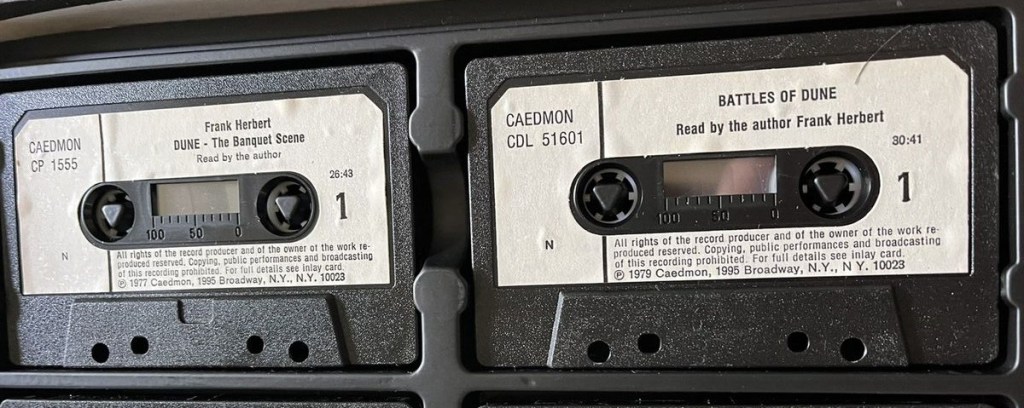
All the soldiers were newly blind and learning how to live like everyone else. The center had laser canes, Braille playing cards, and a library of audio books on cassette tapes. One day, I asked my blind mentor, the head trainer, “Hey, did you listen to that book?” That’s when he explained inclusive language to me:
“You don’t need to change your words.
Just ask, ‘Did you read that book?’
‘Did you watch that movie?’
Use the same words you use for everyone else.”
Boom. Simple. Done. Bring everyone up to the same level, to the greatest common factor. My language became respectful and inclusive. That’s how long it took to rewire a 14-year-old.

Today’s inclusivity: the least common denominator
Fast forward to today. In our corporate culture, we’re facing the very same issue. The new solution? Bring everyone down to the least common denominator. Here’s how they explained inclusive language to me:
“Avoid all sensory terms to encourage inclusivity
and avoid excluding people with
visual, hearing, or physical disabilities”.
(We’d already removed drawings of humans, references to food, words that imply gender, and just about anything that might offend anyone.) The new rule extended the ban to terms like:
Read the room…
See if that works…
View the situation…
Talking points…
Look at their data…
Listen to customers carefully…
Get a feel for…
Walk them through the proposal…
Somehow, this felt more condescending than respectful. My mentor’s head would have exploded. During the seminar, a moderator slipped and asked, “What other topics do you want to see?” She apologized but who could blame her? Human language has always used sensory metaphors. We’re wired that way. We cannot continually reinvent our language without crippling our ability to think. It’s challenging enough to write around these ever-moving land mines with the help of an editor but it’s impossible to speak around them.
Conclusion
I loathe the idea of offending anyone with my words. But it’s tricky to determine whether new rules are demanded on behalf of the target audience or by the target audience. The 1978 approach isn’t perfect but standard traditional language isn’t designed to offend any one group. We must tweak where it’s broken (and yes, it’s very broken in places) but we cannot remove every word that does not apply to every person.
The biggest problem with the language revisionists is that their job can never end. There will always be more words to remove. Plus, the new words are just as likely to be offensive. Words like differently abled and handi-capable came off as condescending quickly. When I was a kid, we made the awkward transition from deaf to hearing impaired. Today, hearing impaired is considered highly offensive. Deaf is back.
Personally, I can think of no greater waste of time and energy than taking offense on behalf of those who are not offended. If you have a good heart, there are plenty of other people, not just groups, who need you to be their ally.
In the meantime, please consider adopting inclusive language in the 1978 sense. It’s simple, more respectful, and won’t tie you in knots.
See what I mean?
.
.
 The Elements of Simple